
 Available in GB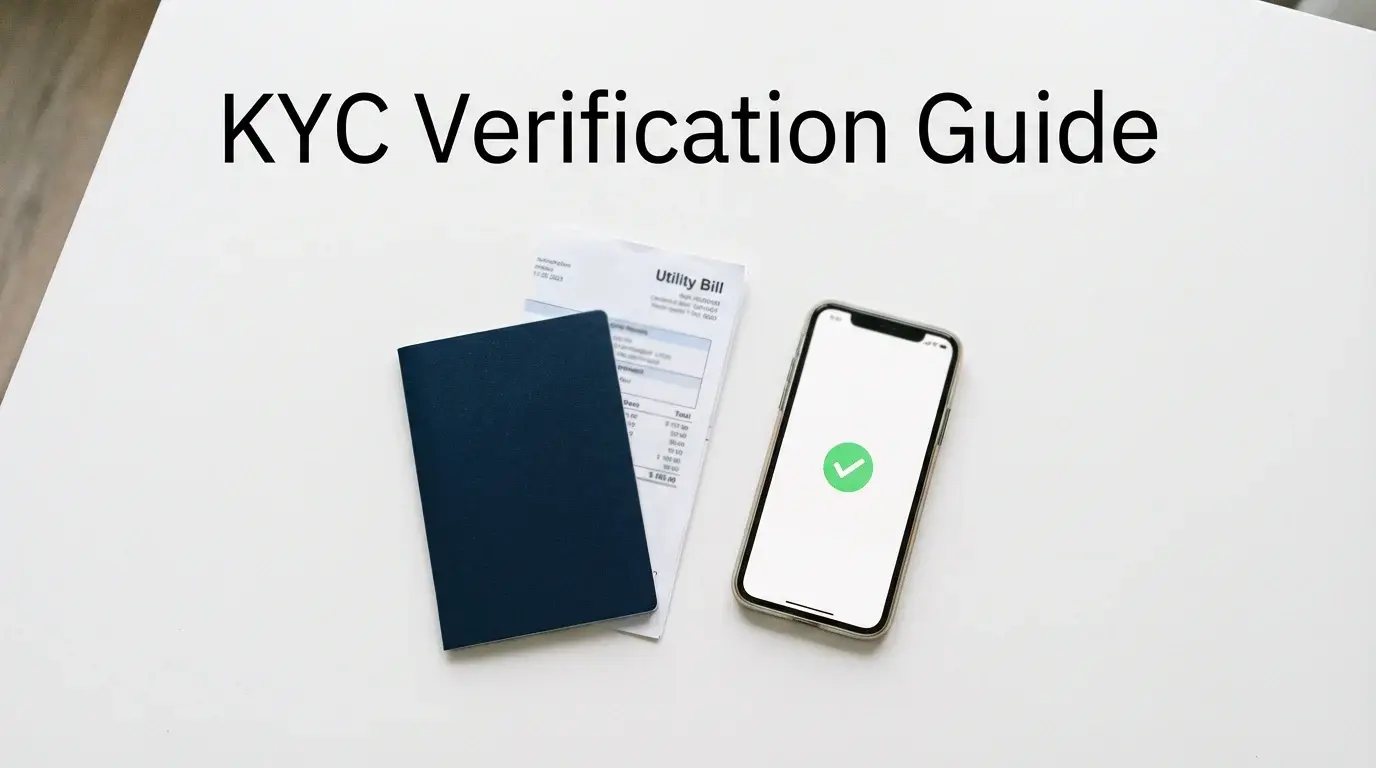
Why Casinos Ask for Your ID
Identity verification at casino apps is not optional, not arbitrary, and not the operator trying to inconvenience you. It is a legal requirement under the UK’s anti-money laundering regulations and the Gambling Commission’s licence conditions. Every UKGC-licensed operator must verify that you are who you claim to be, that you are over 18, and that the money you are depositing comes from a legitimate source. The process is called Know Your Customer — KYC — and it applies to every player on every regulated platform.
The regulations serve three purposes. First, they prevent underage gambling. No one under 18 is legally permitted to gamble in the UK, and age verification is the primary enforcement mechanism for online platforms where checking a physical ID at the door is not possible. Second, they combat money laundering — the use of gambling platforms to cycle illicit funds through apparently legitimate transactions. Third, they support the Gambling Commission’s responsible gambling objectives by enabling operators to monitor individual player behaviour and intervene when patterns suggest financial harm.
For the average player, KYC is a brief administrative step that happens once and then stays out of the way. The frustration comes when it delays a withdrawal — when you have won money, requested a payout, and then discover you need to dig out a utility bill and photograph your passport before the cash moves. That frustration is avoidable, and the entire purpose of this article is to explain how.
Recommended online casinos
- NightWinBonus: £900 + 400 free spins · Payout speed: 1-3 business days
- BritsinoBonus: Welcome Package – Get your £2,200 + 2,000 FS · Payout speed: 1-3 business days
- BeOnBetBonus: 100% up to €500 + 100 FS · Payout speed: 1-3 business days
- SpinFormulaBonus: 550% Up To £15,000 + 550 FS · Payout speed: 1-3 business days
- SlotoSportBonus: 500% up to £ 10 200+ 777 FS · Payout speed: 1-3 business days
- Revery PlayBonus: 100% up to€1,000+ 100 FS · Payout speed: 1-3 business days
- WinBeastBonus: €5000 + 500 FS + €650 Freebet · Payout speed: 1-3 business days
- ChanzeBonus: Slots Welcome Bonus #1 200% up to €500 · Payout speed: 1-3 business days
The KYC Process — Step by Step
Most UKGC-licensed casino apps now initiate KYC either at registration or shortly after your first deposit. Some operators allow you to play immediately while verification is processed in the background; others require full verification before you can access games. The trend, driven by regulatory tightening, is towards earlier and more thorough checks.
The process typically unfolds as follows. During registration, you provide your full legal name, date of birth, residential address, email, and phone number. The operator runs this information through electronic verification databases — services like GBG, Onfido, or Jumio that cross-reference your details against the electoral roll, credit reference agencies, and government records. In many cases, this automated check is sufficient to verify your identity, and you are cleared without submitting any documents at all.
When electronic verification cannot confirm your identity — because your details do not match available databases, because you recently moved, or because the operator’s risk assessment flags your account for manual review — you will be asked to upload documents. The app will typically direct you to a verification section within your account settings, where you can photograph and upload the required documents directly from your phone.
Processing times for manual document review vary. Some operators complete the review within minutes using AI-assisted verification tools. Others take 24 to 72 hours, particularly during peak periods or when the submitted documents are unclear. If your documents are rejected — blurry images, expired ID, mismatched names — you will be asked to resubmit, which restarts the clock.
Once verified, the status is permanent for that operator. You will not need to repeat the process unless your personal details change, you request a name change, or the operator triggers a periodic re-verification as part of its ongoing compliance obligations.
Documents You’ll Need to Verify
The standard KYC document set covers three categories: proof of identity, proof of address, and proof of payment method. Not every operator requests all three upfront — some only ask for additional documents if the electronic check fails or if your account activity triggers enhanced review.
Proof of identity requires a government-issued photo ID. Acceptable documents include a valid UK passport, a UK driving licence (full or provisional), or a national identity card from an EU or EEA country. The document must be current — expired passports and driving licences are almost always rejected. When photographing, ensure all four corners of the document are visible, the text is legible, and there is no glare or shadow obscuring the photo or key details. Colour photographs only; black and white scans are typically rejected.
Proof of address confirms that you live at the address you provided during registration. Accepted documents include a utility bill (gas, electric, water — mobile phone bills are often excluded), a bank or building society statement, a council tax letter, or a HMRC document. The document must be dated within the last three months and must clearly show your full name and residential address. Screenshots of digital statements are accepted by most operators, provided the document header, date, and your details are all visible in the image.
Proof of payment method is occasionally required to confirm that the deposit method belongs to you. For debit cards, this means a photograph of the card showing your name, the last four digits of the card number, and the expiry date — with the middle digits and CVV covered for security. For e-wallets, a screenshot showing your name and the registered email address or account ID is usually sufficient. PayPal screenshots showing the linked email and account holder name are the most commonly requested.
A practical tip: prepare all three documents before you register. Photograph them in good lighting, check that every detail is legible, and save them to your phone’s camera roll. When the verification prompt appears — whether at registration, after your first deposit, or before your first withdrawal — you can upload immediately rather than scrambling to find a suitable utility bill at the worst possible moment.
Source of Funds and Enhanced Checks
Standard KYC confirms who you are. Source of Funds checks go further: they verify where your money comes from. These enhanced checks are triggered by specific thresholds and risk indicators, and they represent a more intensive level of scrutiny that can significantly delay withdrawals if you are not prepared.
Under current UKGC guidance, operators must conduct financial vulnerability assessments when a customer deposits or loses more than £150 within a rolling 24-hour period. At higher thresholds — typically £2,000 in deposits or £1,000 in losses over 90 days, though exact figures vary by operator — Source of Funds documentation may be required. The operator needs to see evidence that your gambling expenditure is affordable and that the funds originate from a legitimate source.
The documents requested for Source of Funds checks are more personal than standard KYC. Expect to be asked for recent payslips (usually the last three months), bank statements showing salary credits and regular income, tax returns or self-assessment documents, or documentation of other income sources such as property rental, investment returns, or inheritance. If you are self-employed, business accounts and company financial statements may be requested.
These checks feel intrusive, and many players resent them. The regulatory rationale is twofold: preventing money laundering and protecting consumers from gambling beyond their means. Whether the current thresholds are proportionate is a matter of ongoing debate within the industry and among player advocates. Regardless of where you stand on the policy, the practical reality is that these checks exist, they can freeze your account and pending withdrawals until resolved, and preparing documentation in advance is the only way to minimise the disruption.
Processing times for Source of Funds reviews are longer than standard KYC — typically three to seven business days, and sometimes longer for complex cases. During this period, your withdrawal will remain on hold, and you may be restricted from depositing or playing. Responding to document requests promptly and completely is the single most effective way to accelerate the process. Incomplete submissions, redacted bank statements, or documents with missing pages will trigger follow-up requests and extend the timeline.
Verify Early, Withdraw Fast
The pattern is consistent: every withdrawal delay story follows the same structure. Player wins money, player requests withdrawal, player discovers KYC is not complete, player spends two days uploading documents and waiting for review, player writes an angry forum post about the casino “refusing to pay.” The casino was not refusing to pay. It was complying with its legal obligations. The delay was avoidable.
Complete your KYC verification within the first hour of creating your account. Do it before your first deposit, before your first spin, before you have any winnings at stake. Upload your ID, proof of address, and payment method documentation immediately. If the operator’s interface does not prompt you to do so at registration, navigate to the verification section in your account settings and initiate the process yourself.
If your gambling activity is likely to exceed the Source of Funds thresholds — if you deposit regularly, play at higher stakes, or accumulate significant activity over a 90-day period — consider proactively providing income documentation before it is formally requested. Some operators allow you to submit this information in advance. Others will request it reactively when you hit the threshold. Either way, having payslips and bank statements ready to upload eliminates the most common cause of extended withdrawal holds.
Verification is not a hurdle between you and your money. It is the infrastructure that makes your money safe — the same framework that ensures the operator is licensed, your funds are protected, and your account cannot be accessed by someone else. Treat it as the administrative cost of playing at a regulated platform, pay it upfront, and it will never stand between you and a withdrawal again.
Visit casinoappsrealmoneyuk for the best UK real money casino app reviews and guides.
Try before you deposit with our No Deposit Casino Bonuses guide.